Building Better, Not Just Bigger

Our approach to sustainable design isn't about chasing trends - it's how we've always done things around here.

Why We're All-In on Green Design

Look, we've been doing this for years now, and honestly? You can't design buildings in Vancouver without thinking about their environmental impact. It'd be irresponsible - and frankly, bad business.
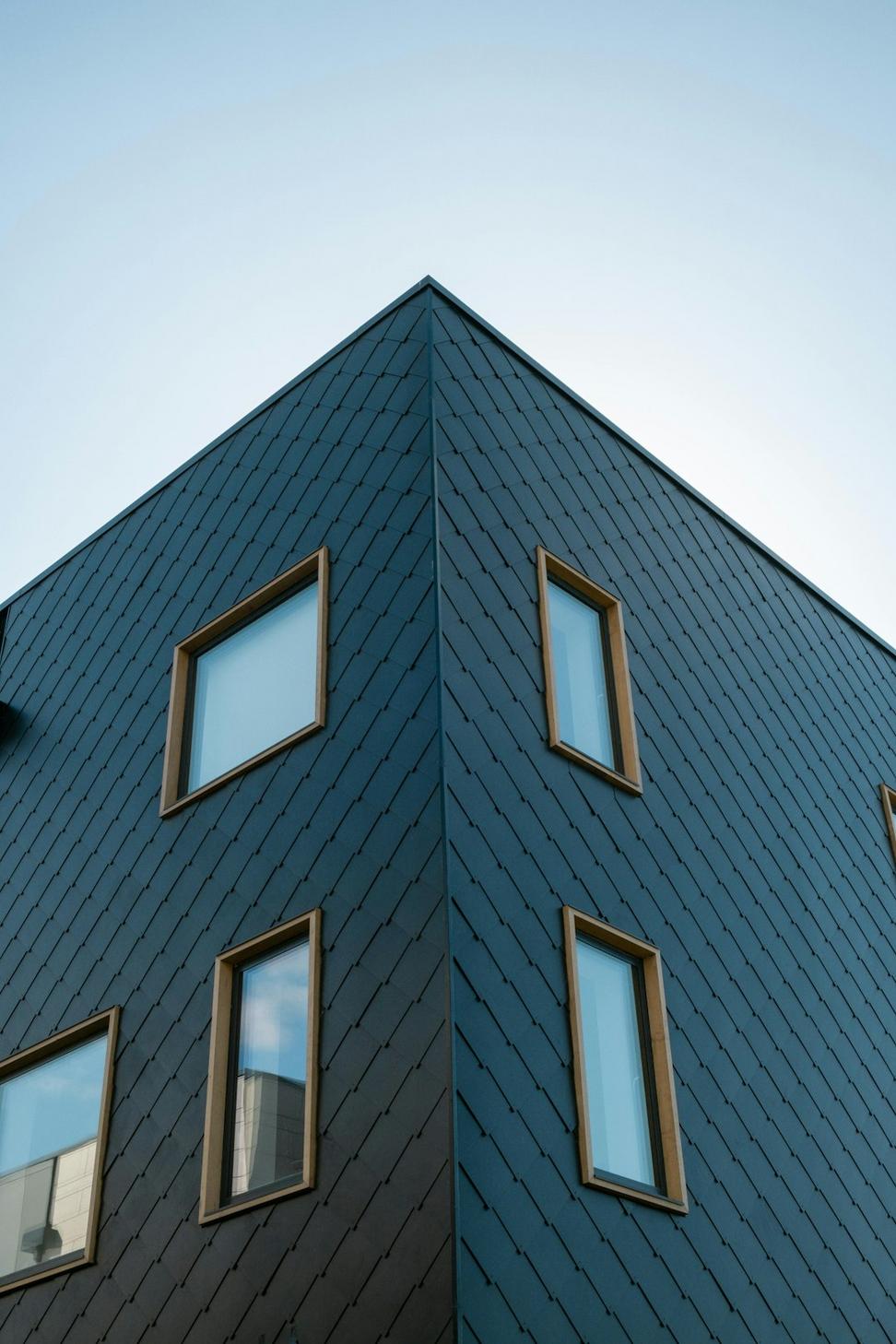
Sustainable architecture example

When we started focusing heavily on sustainable practices back in the day, it wasn't because some certification body told us to. We saw firsthand how buildings affect everything around them - from energy consumption to material waste to how people actually feel when they're inside. That stuff matters.

These days, every project we take on gets the sustainability treatment from day one. Not as an add-on or a premium feature, but as the baseline. Because that's what makes sense.

Quick Stats


89%

Average energy reduction in our projects

47+

LEED certified projects

100%

Projects with sustainability audits
Our Certifications

  • ✓ LEED Accredited Professionals
  • ✓ Passive House Certified
  • ✓ Built Green Canada
  • ✓ Living Building Challenge
  • ✓ WELL Building Standard

What We Actually Do (The Practical Stuff)

No greenwashing here - just real approaches that work in the field

Energy efficiency solutions

Energy Performance

We're kinda obsessed with building envelopes. Proper insulation, high-performance windows, air sealing - this is where you get the biggest bang for your buck. Solar's great too, but if your building's bleeding heat, you're just putting a band-aid on it.

Every design includes detailed energy modeling. We run the numbers before breaking ground so there aren't any surprises later. Our average projects use about 60-70% less energy than standard code minimums.

Sustainable materials

Materials & Resources

Material selection gets complicated fast. We prioritize local sources when possible - reduces transportation emissions and supports BC suppliers. Reclaimed materials, FSC-certified wood, low-VOC finishes... it's all part of the checklist.

The trick is balancing environmental impact with durability and budget. Sometimes the "greenest" option is the one that'll last 50 years without needing replacement, even if it's not made from recycled content.

Water conservation systems

Water Management

Vancouver gets plenty of rain, so we've gotten pretty good at capturing and using it. Rainwater harvesting, greywater systems, low-flow fixtures - they all add up. Plus, proper stormwater management prevents site runoff issues.

We've reduced water consumption by 40-50% on most projects. It's not just about conservation - it's about designing systems that make sense for our climate.

Our Design Principles

1
Site-Responsive Design

Every location's different. We analyze sun exposure, wind patterns, existing vegetation, and local climate before sketching a single line. Work with the site, not against it.

2
Passive Strategies First

Orientation, shading, natural ventilation, daylighting - these cost-effective strategies should be maximized before adding complex mechanical systems.

3
Lifecycle Thinking

We consider the entire building lifespan - construction impact, operational efficiency, maintenance needs, and eventual deconstruction. Short-term thinking creates long-term problems.

4
Integrated Systems

Architecture, structure, mechanical, electrical - they all need to work together. Siloed thinking leads to inefficiency and missed opportunities.

5
Human-Centered Spaces

Sustainability isn't just environmental - it's about creating healthy, comfortable spaces where people thrive. Indoor air quality, natural light, and thermal comfort matter.

6
Continuous Improvement

We track performance data from completed projects and feed that knowledge into new designs. What worked? What didn't? Always learning, always refining.

The Honest Truth About Green Building

Here's something they don't always tell you - sustainable design sometimes costs more upfront. Not always, but sometimes. We're straight with clients about this because transparency matters.

But here's the thing: those upfront costs typically pay back within 5-8 years through energy savings. And buildings that perform well? They command higher rents, sell faster, and age better. It's an investment that makes financial sense.

Plus, building codes keep getting stricter. Designing for tomorrow's standards today means your building won't be obsolete in five years. That's just smart planning.

Typical ROI Timeline

Energy Savings Year 1+
Maintenance Reduction Year 2+
Property Value Increase Year 3+
Full Payback Year 5-8

Our Current Initiatives

What we're working on beyond individual projects

Carbon Neutral by 2030

We've committed to carbon-neutral operations and are helping clients achieve net-zero buildings. It's ambitious, but we've already reduced our footprint by 45% since 2020.

Research Partnerships

We collaborate with UBC's School of Architecture on sustainable building research. Real-world testing of new materials and techniques before they hit the market.

Community Education

Monthly workshops on sustainable design for homeowners and builders. Knowledge sharing makes the whole industry better, and we've got plenty of lessons learned to share.

Green building certifications

Want to Build Something Sustainable?

Whether you're planning a new build or renovating an existing space, let's talk about how to make it perform better. No pressure, no sales pitch - just honest conversation about what's possible.